
"Yemen Mattari"
500 article(s) found

Yemeni coffee beans with endless aftertaste Geographical location Climate Altitude Profile
Yemen coffee origin: Yemen produces bean-shaped berry coffee beans (Peaberrybean): This coffee bean is smaller and rounder than most coffee beans, looks like peas, and is sometimes called mocha coffee beans. Mocha coffee beans are similar in shape to Ethiopian Harrar coffee beans, which are granular.

A brief introduction to the main coffee producing areas in Africa and their well-known representative coffee flavor characteristics
Professional baristas please follow the coffee workshop (Wechat official account cafe_style) Yemen (Yemen) well-known representative coffee: Mocha Mattari early Yemeni coffee is mainly exported from the port of Mocha, so the coffee exported from here is named after Mocha. Yemeni coffee in Mattari and mountain

Mocha matari is produced in the northern part of Yemen and has a strong sour taste.
Although Yemen is located in the Middle East with the Arabian Peninsula, it can actually be said that it is almost closely connected to the African continent located opposite the Red Sea. This geographical contiguity is also illustrated by the way Ethiopian coffee travels through Yemen. Ethiopian coffee processed naturally is still known as mocha. As for coffee exports, due to the complexity of the circulation process,

Introduction to the variety treatment method for describing the flavor of Matari mocha coffee, the taste characteristics of grinding degree
Yemeni boutique coffee bean flavor description introduces Matari mocha-the best of mocha coffee, like top red wine, rich tropical fruit flavor, infatuated, rich and diverse flavor with unique sunshine flavor, fine tasting, can also feel a hint of chocolate sweetness in the final rhyme, the taste is strong worthy of careful taste. Product name: Matalimo, Yemen

A desert ruby submerged by war-Yemen
Professional coffee knowledge exchange more coffee bean information please follow the coffee workshop (Wechat official account cafe_style) to ask which country do you know the coffee originated? There is bound to be a stir of controversy. It is said that coffee was first found in Ethiopia, but at the same time, Yemen, Ethiopia's neighbor, was also growing and drinking coffee. The history of coffee goes back centuries.
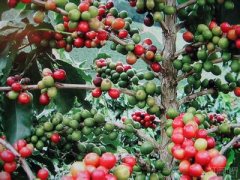
Yemeni coffee beans from 12 famous high-quality coffee producing areas
Before the 6th century AD, Yemen was called Arabia, so coffee trees shipped from Yemen to other places were also called Arabian coffee trees. But the origin of these trees is Ethiopia. Yemen is the first country in the world to produce coffee on a large scale as a crop. Today, coffee farmers in Yemen still use the same method to produce coffee as they did 500 years ago.

Yemeni Coffee Map the connection between Yemeni Coffee and Mocha Coffee which is the most expensive in Yemen
Professional coffee knowledge exchange more coffee bean information please follow the coffee workshop (Wechat official account cafe_style) for lovers who dabble in coffee slightly, when it comes to Yemeni coffee, it is easy to associate it with Mocha. Yemen has a long history of growing coffee. By the early 17th century, Yemeni coffee beans began to be exported to Europe from the southwestern port of Mocha, and Europeans used the mocha.

Yemeni fine coffee beans with complete grain shape Flavor Taste Aroma Description Introduction
Mokha Ismaili: is one of the traditional ancient tree species, the market name for a famous coffee from central Yemen, and is also described as a botanical classification of traditional Yemeni coffee with high beverage quality. Grown at high altitudes, above 6500 feet, the beans are characterized by a more rounded shape, smaller bean shape than martali, thick taste, high complexity, average

Yemeni Coffee producing area Manor planting situation how Yemeni Coffee is grown and whether the number of Coffee beans is large
For more information on coffee beans, please follow the coffee workshop (Wechat official account cafe_style) Coffee production in Yemen: bean-shaped berry coffee beans (Peaberrybean): these beans are smaller and rounder than most and look like peas, sometimes called mocha beans. The shape of mocha coffee beans is similar to that of Hara (H.

How to use mocha coffee beans how to brew mocha coffee beans how much is a cup of mocha coffee
Professional coffee knowledge exchange more coffee bean information please follow the coffee workshop (Wechat official account cafe_style) Yemen mocha coffee bean Mocha Mattari, this Madali will have a ruby color, just baked and smell some peanuts and nuts, put into the mouth directly crushed to taste, you can also taste the wild acid and with depth

Yemeni coffee introduction, how to drink Yemeni coffee
Following Cafe Review (official Wechat account vdailycom) found that Beautiful Cafe opened a small shop of its own origin: Yemeni Grade: excellent granules: full acidity: slightly sour and strong aftereffect, but also sweetness evenness: more stable baking: moderate flavor: with chocolate flavor, slightly alcoholic flavor, spicy stimulation Ethiopia is the first country in the world to find coffee, but Yemen
Yemeni coffee farm producing areas grow coffee beans varieties of Yemeni coffee what are the boutique coffee beans?
For more information on coffee beans, please follow the coffee workshop (Wechat official account cafe_style) Coffee production in Yemen: bean-shaped berry coffee beans (Peaberrybean): these beans are smaller and rounder than most and look like peas, sometimes known as mocha coffee beans. The shape of mocha coffee beans is similar to that of Ethiopia's Ha.

A brief introduction to the planting market price of Yemeni boutique coffee bean varieties with endless aftertaste
Yemeni coffee origin: Yemeni bean-shaped berry coffee beans (Peaberrybean): this coffee bean is smaller and rounder than most coffee beans and looks like peas, sometimes called mocha coffee beans. The shape of mocha coffee beans is similar to that of Ethiopia's Harrar coffee beans.

What kind of mocha coffee is Yemen mocha coffee?
Yemen was the first country to use coffee as a cash crop. Legend has it that Sufi pilgrims introduced it from Ethiopia in the 6th century. The most correct spelling should be Al-Mahka, which is Arabic spelling. It grows on steep terrain with little rainfall and poor ridge sunshine.

A brief introduction to the flavor, taste and aroma characteristics of Yemeni boutique coffee beans with unique flavor
In Yemen, coffee growers plant poplars to provide shade for coffee trees to grow. As in the past, these trees are planted on steep terraces to maximize the use of less rainfall and limited land resources. In addition to the Tippika Coffee Tree and the Bourbon Coffee Tree, more than a dozen different coffee species native to Ethiopia are grown in Yemen. Authentic

A brief introduction to the origin, development, history and culture of Yemeni boutique coffee beans with endless aftertaste
Yemeni coffee origin: Yemeni bean-shaped berry coffee beans (Peaberrybean): this coffee bean is smaller and rounder than most coffee beans and looks like peas, sometimes called mocha coffee beans. The shape of mocha coffee beans is similar to that of Ethiopia's Harrar coffee beans.

A brief introduction to the flavor, taste and aroma characteristics of Yemeni boutique coffee beans with unique flavor
Mokha Rimi: produced in the Djebel Remi (also known as Raimi, Rayma) area, the quality is similar to that of Shannani, which is usually slightly fermented, occasionally with surprisingly strong sweet aromas of raisins, and when roasted properly, the coffee beans smell like opening a full-bodied bottle of jam. Mokha Yafeh: from Yafeh (also known as Yaffe) province in southern Yemen, belonging to

A brief introduction to the planting market price of Yemeni boutique coffee beans with complete grain shape
The origin of these trees is Ethiopia. Yemen is the first country in the world to produce coffee on a large scale as a crop. Today, Yemeni coffee farmers still produce coffee in the same way as they did 500 years ago. Coffee berries grow naturally on trees, without any artificial fertilizers or pesticides, receive a small amount of rain and fog on the hillside in summer, blossom and bear fruit.

A brief introduction to the cultivation of spicy Yemeni boutique coffee beans, geographical location, climate and altitude
★★★: excellent market for Yemeni coffee: Yemeni coffee is exported from December to April of the following year. The problem in the past has been that coffee from the north was mixed with shoddy stuff before it was shipped from the southern port of Aden. Only coffee shipped from the port of Hodeida can be determined to come from the north. The vast majority of coffee in Yemen is made by natural conditions.

Yemeni Mokamatali Mocca Matari Manor Coffee beans good? Yemeni Coffee Variety introduction
Professional coffee knowledge exchange more coffee bean information please follow the coffee workshop (Wechat official account cafe_style) Yemeni Coffee-mocha Matali (Yemen Mocca Matari): the quality of mocha coffee is taken from the outer port of Sanua, the capital of Yemen, the medium and high quality of mocha coffee is Barney. Yemeni Matali coffee grown in Matalu. Matali is well-known and high in Yemen.